A child’s hearing plays a key part in how they learn to communicate, interact with others and manage schoolwork, which makes regular hearing checks important during the early years.

Even mild hearing loss can affect how children learn new words, follow conversations or stay on track in the classroom and because kids may not notice what they are missing, these changes can go undetected for long periods. Routine screenings give families an opportunity to identify concerns early and address these concerns before they begin to influence a child’s development.

Whether the issue involves ear infections, conditions present at birth or gradual changes over time, early detection helps ensure children receive the support they need at home, in school and in social settings.

How Untreated Hearing Loss Can Affect School Performance

Untreated hearing loss can make it harder for students to follow instructions, understand lessons and stay engaged during class.

When important words or sounds are missed, it can affect how well a child absorbs new information, especially in subjects that rely heavily on spoken explanations. This can lead to confusion or frustration, even when the student is trying their best to keep up. Over time, small gaps in understanding can build up and impact overall learning.

Hearing challenges can also affect participation in group activities, discussions and classroom interactions. A student who struggles to hear may hesitate to ask questions or contribute, simply because they are unsure of what was said. This can influence confidence and make school feel more demanding than it needs to be.

Addressing hearing issues early gives students a better chance to stay involved, understand their lessons and feel comfortable in their learning environment.

Ways Hearing Loss Can Impact Speech and Language Skills

When hearing loss is present, children may find it harder to learn to speak and understand language. They might have difficulty pronouncing words, miss parts of conversations, use shorter sentences or struggle to follow instructions in class. Over time, these difficulties can impact reading skills, social interactions and overall confidence when talking with others.

Noticing Signs That a Child May Have Trouble Hearing

Recognizing early signs that a child may have trouble hearing can make a significant difference in how quickly they get the support they need.

Some children may start turning up the volume on devices more than usual or seem confused when given verbal instructions. Others might ask for things to be repeated often or appear distracted in noisy environments because they cannot clearly separate voices from background sounds. These changes can be subtle, but they are worth paying attention to.

Behavioral shifts can also offer clues. A child who once engaged easily in conversations may begin speaking less or responding in ways that do not match what was said.

Teachers might notice that the child has difficulty following along in class or seems to miss important details during lessons. When these patterns appear consistently, it can be a sign of hearing loss. Bringing these concerns to an audiologist can help determine what is happening and what steps may be needed next.

Common Reasons Children Experience Hearing Loss

Children can experience hearing loss for several reasons. Some causes are present at birth, while others develop over time.

Common causes include ear infections that lead to fluid buildup, exposure to loud noises like music or fireworks, certain illnesses like measles or meningitis, a family history of hearing loss or injuries to the head or ear. Understanding these causes can help you and an audiologist decide when checks are needed. Early attention helps support your child’s needs and keeps them connected at home and school.

What Happens During a Typical Hearing Check for Children

A hearing check for children is designed to be comfortable and straightforward, helping your child feel at ease.

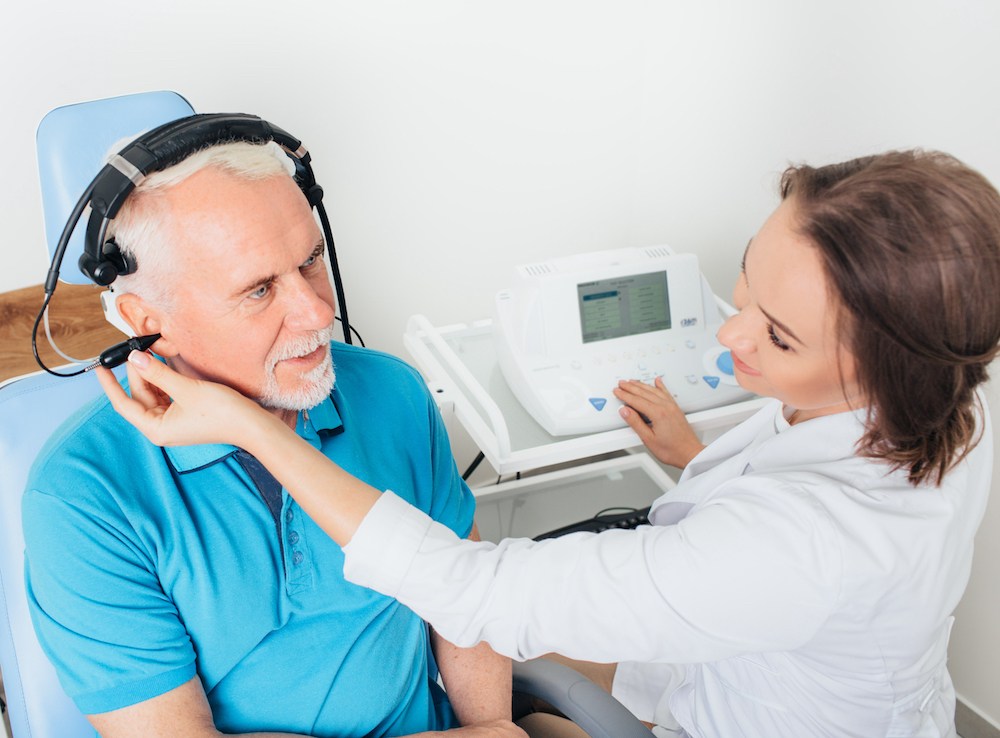
During a typical check, an audiologist will ask about your child’s health and any changes you have noticed. Your child may wear headphones and listen for different sounds or words, raising a hand or saying yes when they hear something.

Sometimes gentle tools are used to look inside the ears or measure how well sound moves through them. These steps provide a clear picture of your child’s hearing and help an audiologist find the right support if needed. Regular checks help keep your child on track with learning and social activities.

How Often Children Need Hearing Checks at Different Ages

Babies usually have their first hearing check soon after birth, often before leaving the hospital. After that, most children should have their hearing checked again at ages two to three, before starting school and whenever there are concerns about speech or listening.

School-age children benefit from regular checks every few years, especially if they have had ear infections or other health issues when younger. If you notice your child having trouble hearing at any age, it is a good idea to schedule a check sooner.

Keep track of your child’s appointments and note any changes in how they listen or respond. Regular checks with an audiologist help catch problems early and support your child’s learning and social growth.

Benefits of Regular Checks for Early Detection

Regular hearing checks can detect changes in your child’s hearing before they start to affect learning or social activities. When concerns are found early, an audiologist can recommend the right steps to support your child.

Early detection means your child can get help sooner, which may improve their speech, language and confidence. Keeping up with regular checks is a simple way to give your child the best chance at success in school and with friends.

Actions Parents Can Take When They Notice Changes in Their Child’s Hearing

If you notice changes in your child’s hearing, taking early action can make a difference. Staying calm and supportive helps your child feel safe during this time.

Start by writing down any changes you have seen, like trouble hearing the TV, not responding to their name or asking for things to be repeated. Schedule a visit with an audiologist to discuss your concerns and get a thorough check of your child’s hearing. Encouraging your child to share how they feel or if they are having trouble at school can also be helpful.

Helping Your Child Stay Connected Through Regular Hearing Checks

Regular hearing checks are an important part of supporting your child’s growth and success. Making sure hearing is tested at the right times, you can catch small changes early and give your child the support needed for learning and building friendships. Even if there are no clear signs of difficulty, routine visits help you stay informed about your child’s hearing health.

If you have noticed any changes or want to make sure your child’s hearing is on track, schedule an appointment with an audiologist. Early attention can make a real difference in speech development and social skills.