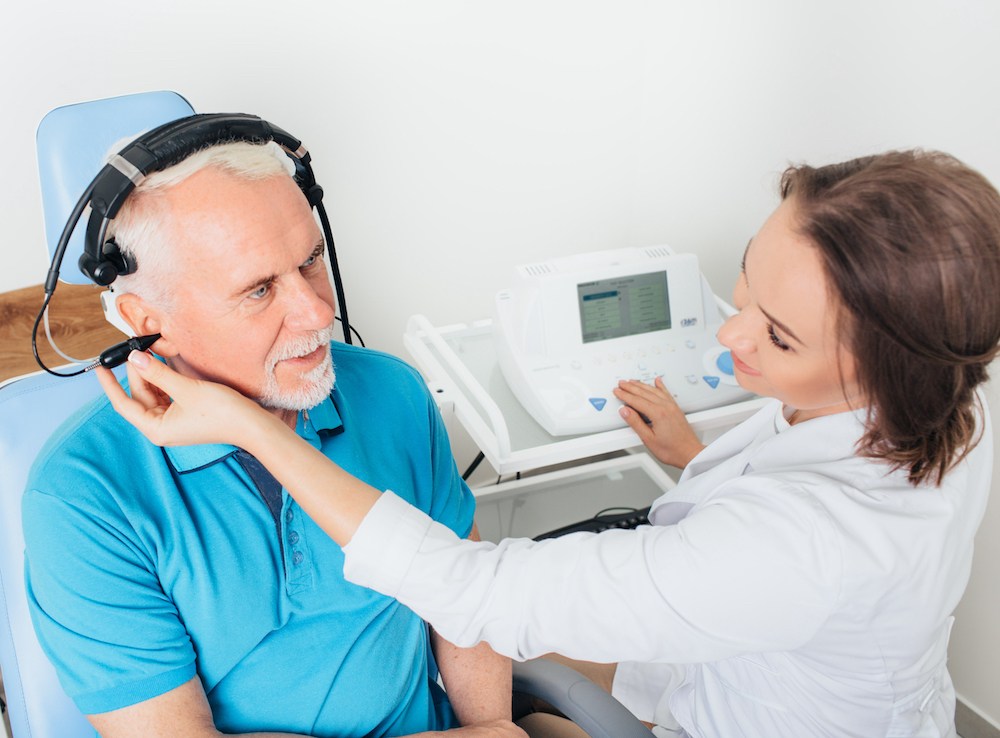
Otoacoustic emissions (OAE) testing can show how well the tiny hair cells in your inner ear are working, often before you notice any change in hearing. It can sometimes pick up early signs of inner ear trouble when regular hearing tests still look normal.

For you, this can play an important role in understanding the causes of hearing loss, long- term noise damage or why speech may sound unclear even when sounds seem loud enough.

When you understand how OAE testing works and what the results mean, you can help to find the right solutions for your needs.

How Do the Inner Ear Hair Cells Support Hearing

The inner ear contains tiny hair cells that are essential for turning sound vibrations into signals your brain can understand. When sound waves enter the ear, they cause fluid in the cochlea to move, which bends the hair cells.

Each hair cell is sensitive to specific frequencies, and this bending trigger electrical signals that travel through the auditory nerve to the brain, letting you perceive pitch, volume and tone.

Without healthy hair cells, even sounds at normal levels may not be detected accurately, which can make listening more difficult.

Hair cells also help with distinguishing subtle differences in sounds, like separating one instrument from another in music or following a single voice in a crowded room. These cells are delicate, and damage from loud noise, aging or certain medications can lead to permanent changes in hearing.

Maintaining inner ear health is crucial because once hair cells are damaged, they do not naturally regenerate, making prevention and careful listening habits important for protecting your hearing over time.

What Otoacoustic Emissions Show About Inner Ear Health

Otoacoustic emissions are sounds produced by the inner ear that can be measured to evaluate how well the cochlea is functioning. During an OAE test, a small probe is placed in the ear canal and soft sounds are played.

If the inner ear hair cells are working properly, they will respond by producing faint sounds that the probe can detect. This provides a direct way to assess inner ear health and helps audiologists determine whether the hair cells are responding normally to different frequencies.

OAE testing is useful because it can reveal issues even before they show up on a standard hearing test.

For example, it can identify early signs of damage from loud noise, medications or other factors that affect the cochlea. Knowing how the inner ear is functioning, audiologists can make more informed recommendations about monitoring hearing, preventing further damage or starting interventions if needed.

What to Expect During an OAE Test Step by Step

An otoacoustic emissions test is a quick and noninvasive way to check how well the inner ear’s hair cells are working. During the test, a small, soft-tipped probe is placed in the ear canal and you’ll hear a series of clicking or tone-like sounds.

The probe also measures the tiny sounds that your inner ear naturally produces in response, which helps your audiologist determine whether the hair cells are responding as expected. The test is painless and usually takes just a few minutes for each ear.

The process is simple and straightforward. First, your audiologist ensures the ear canal is clear so the probe can sit properly.

Next, the probe is inserted, and the sounds begin while the device records the ear’s responses. You may be asked to stay still or quiet during this time, but no active participation is required.

After the measurements are complete, your audiologist reviews the results to see if the inner ear is functioning normally or if further testing is needed. This step-by-step process provides a clear picture of your ear health without causing discomfort or stress.

How Audiologists Review and Explain OAE Results

After your OAE test, your audiologist reviews graphs and numbers that show how strong the echoes were at different pitches in each ear. The responses are checked to see if they are present, weak or absent and then compared with your other hearing tests and your health history.

Many people feel unsure when they see medical charts or hear technical terms. That can make it hard to understand what the results really mean for your life.

You can ask an audiologist to:

  • Explain the results in simple words.
  • Point to each part of the graph and say what it shows.
  • Connect the findings to what you notice day to day, like trouble hearing in noise or needing to turn up the TV.

Questions to Ask Your Audiologist About OAE Testing

When you’re scheduled for an OAE test, it can help to have a list of questions for your audiologist, so you know what to expect.

You might ask how the test works, what parts of the ear it examines and how long it usually takes. Understanding what the results can show about your inner ear function can make the experience feel less uncertain and give you a clearer sense of what the test is measuring.

It’s also useful to ask about next steps based on the results. Questions about whether additional testing may be needed, how often the test should be repeated and what the results could mean for hearing care or early intervention can provide important context.

Having this information helps you make informed decisions in how your hearing is being monitored and supported.

Taking The Next Step in Protecting Your Inner Ear Health

Otoacoustic emissions testing gives a close look at how your inner ear hair cells are working, even when regular hearing tests seem normal.

When you use OAE testing along with standard hearing tests, you get a clearer picture of both how well you hear and how healthy your inner ear is. This makes it easier to catch small changes early and make informed choices about protection, follow-up care and treatment.

If you spend time in loud places, have a history of noise exposure or feel that something seems off with your hearing even though past tests looked fine, it may be time to schedule an appointment with an audiologist.